
From community voice to system change.

COMPASS connects community evidence, civil society advocacy and decision-making to influence policies, financing, health systems and accountability across Malawi, Tanzania and Zimbabwe.

COMPASS Convening
110+ Civil society organisations
10 Global investment cycles
4 Global platforms
3 Countries
20+ Laws, policies and systems shifted
110+ Civil society organisations connected
10 PEPFAR & Global Fund investment cycles influenced
4 Global platforms reached with African priorities
Where change happens

Turning evidence into influence.

COMPASS works across interconnected areas of health governance, financing, policy, service delivery and community power.

01

Laws, Policies & Systems

Community-defined barriers moved into legislative reform, national policy, technical guidance and implementation standards.

Read the results →

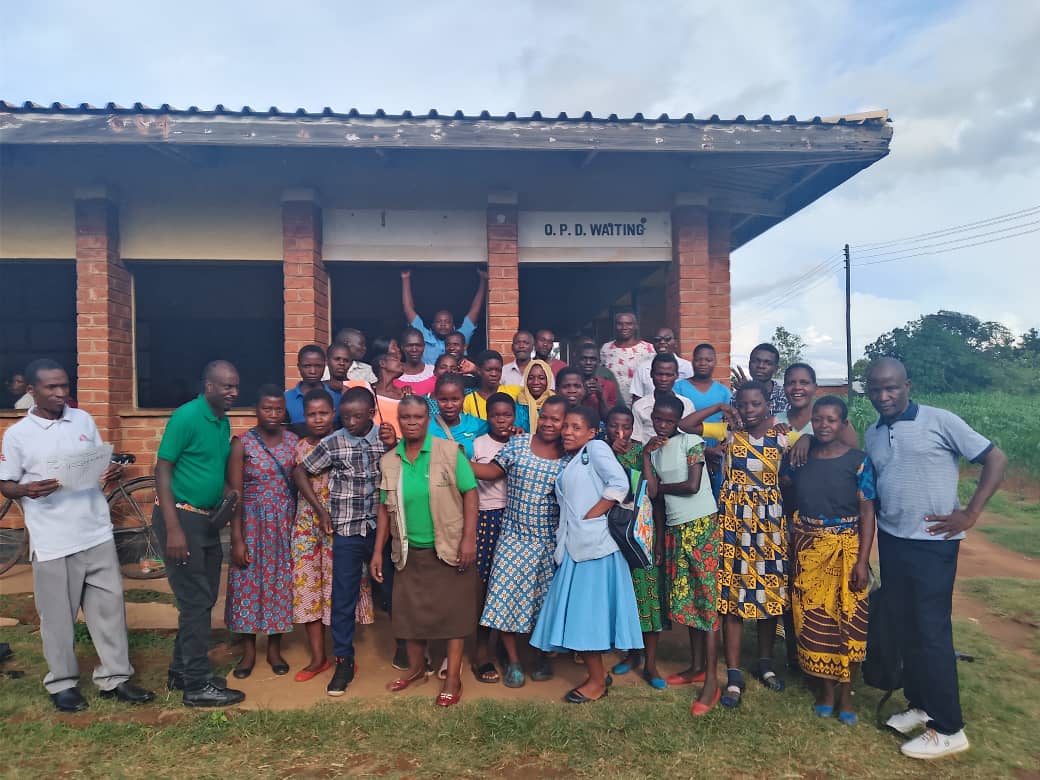
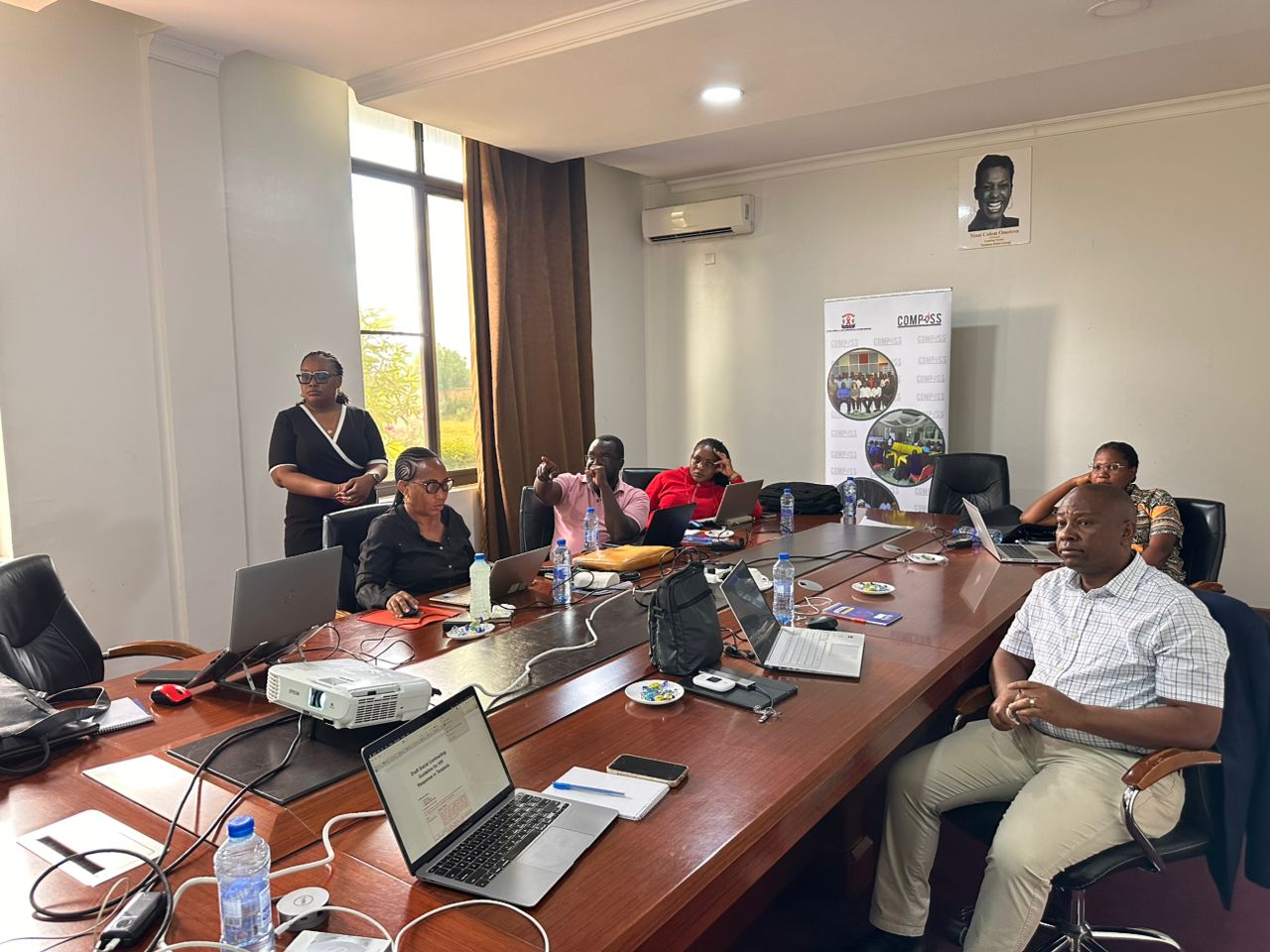
COMPASS advocacy contributed to changes in the legal and policy environment governing equitable access to HIV and health services across the three countries.

Results include progress on HIV self-testing, PrEP, TB preventive therapy, integrated SRH/HIV services, community ART refill groups and children’s access to health services.
02

Health Financing

Advocacy has moved beyond calls for larger budgets towards influence over mobilisation, allocation, expenditure and transition accountability.

Read the results →

Country coalitions engage across the financing cycle while advocating for responsible transition from external assistance.

This includes domestic financing reforms, social contracting, health workforce investment and accountability for whether approved resources reach intended services and populations.

03

Global Investments

Community evidence has informed major PEPFAR and Global Fund planning, funding, reprioritisation and accountability processes.

Read the results →

Seven PEPFAR planning cycles and three Global Fund funding cycles were influenced across priority setting, funding requests, implementation and transition accountability.

04

Community Power

Communities have gained formal roles in governance, monitoring, financing and decision-making structures.

Read the results →

More than 110 civil society organisations are connected through country coalitions, with national community-led monitoring systems and landmark health-governance mechanisms.

05

Health Services

Policy and financing advocacy is translated into differentiated, integrated and community-based approaches to health service delivery.

Read the results →

Results include progress in cervical-cancer screening, Community ART Refill Groups, medication-assisted treatment sites, community health workers and differentiated service delivery.

06

Governance & Inclusion

Community participation has moved from consultation towards formal decision-making and accountability.

Read the results →

Country examples include the Tanzania Key and Vulnerable Populations Forum, Zimbabwe’s youth voting seat on the Global Fund Country Coordinating Mechanism and community-led monitoring systems.

Country-level results

Change rooted in country realities.

Across Malawi, Tanzania and Zimbabwe, community evidence has translated into measurable policy, financing, service-delivery and governance outcomes.

Malawi Country
9% → 12% Health share of the national budget from 2019 to 2025.
49% → 15% Treatment default reduction in targeted districts.
18 → 68 Civil society organisations connected through the Civil Society Advocacy Forum.
Tanzania Country
1B → 5.28B AIDS Trust Fund increased from TZS1 billion in 2021/22 to TZS5.28 billion in 2025/26.
103K → 694K National PrEP target increased across the referenced PEPFAR planning cycles.
65 councils Community-led monitoring tools and guidance disseminated across councils.
Zimbabwe Country
12.7% → 14.9% Health share of the national budget from 2021 to 2022.
136 sites Advanced HIV Disease reporting sites during COMPASS 2.0.
29 partners Community-led monitoring across 10 provinces, 33 PEPFAR-supported districts and 210 facilities.
How change travels

From community evidence to global decisions.

COMPASS creates a connected pathway through which community realities can influence systems and institutions.

01

Community

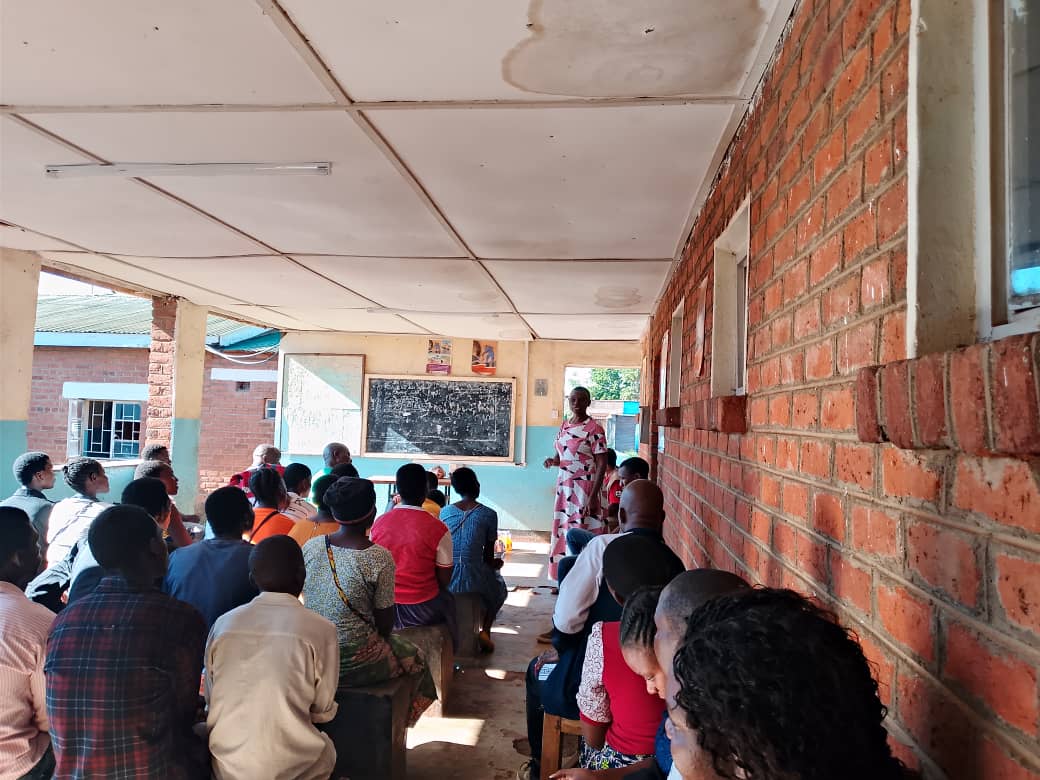
Communities generate evidence and identify barriers, priorities and solutions.

02

Coalitions

Civil society organisations organise evidence into collective advocacy priorities.

03

National systems

Advocacy engages policy, financing, governance and service-delivery structures.

04

Global platforms

Country evidence reaches institutions shaping global health policy and financing.

Healthcare Service Delivery
472K+ People reached through increased differentiated service coverage in the referenced period.
Service delivery

Advocacy that reaches beyond policy.

COMPASS connects policy and financing advocacy to the systems through which prevention, treatment, care and support reach communities.

  • ✓ Differentiated service delivery expanded in Zimbabwe.
  • ✓ Community-based approaches strengthened across the three countries.
  • ✓ Integrated HIV, TB and sexual and reproductive health services advanced.
  • ✓ National readiness for long-acting HIV prevention technologies advanced.
Regional & global influence

African priorities carried into global health institutions.

Through
this model, COMPASS connects community realities to the institutions
controlling policy and resources. Evidence moves from communities and country
coalitions to national governments, regional platforms and global
decision-makers, and global advocacy remains anchored in priorities defined by
African communities.

Global Fund Board PEPFAR US Congress Pandemic Fund WHO processes Global health financing
Global Leadership Conference

Through this model, COMPASS connects community realities to the institutions controlling policy and resources. Evidence moves from communities and country coalitions to national governments, regional platforms and global decision-makers, and global advocacy remains anchored in priorities defined by African communities.