COMPASS 2.0
Deepening Impact and Shifting Power 2021–2023
Building on the Foundation
COMPASS 2.0 built on the foundations established during the first phase. Having demonstrated the value of coalition-based advocacy, the focus shifted towards deepening impact, strengthening collaboration and responding to the changing realities of HIV financing, policy and service delivery.
At the same time, a broader conversation was gaining momentum across global health about how priorities are set, how decisions are made, and how leadership, resources and expertise can be more meaningfully shared with the countries and communities closest to the issues being addressed. The growing conversation around decolonising global health, shared power and greater African leadership increasingly resonated with COMPASS’s own evolution.
What Was Critical During COMPASS 2.0
This phase was critical for both deepening COMPASS’s advocacy impact and reflecting on how the coalition itself could evolve.
As the Gates Foundation increasingly prioritised approaches that strengthened local leadership and encouraged greater sharing of decision-making and responsibility, COMPASS began to reflect more intentionally on its own structure and future.
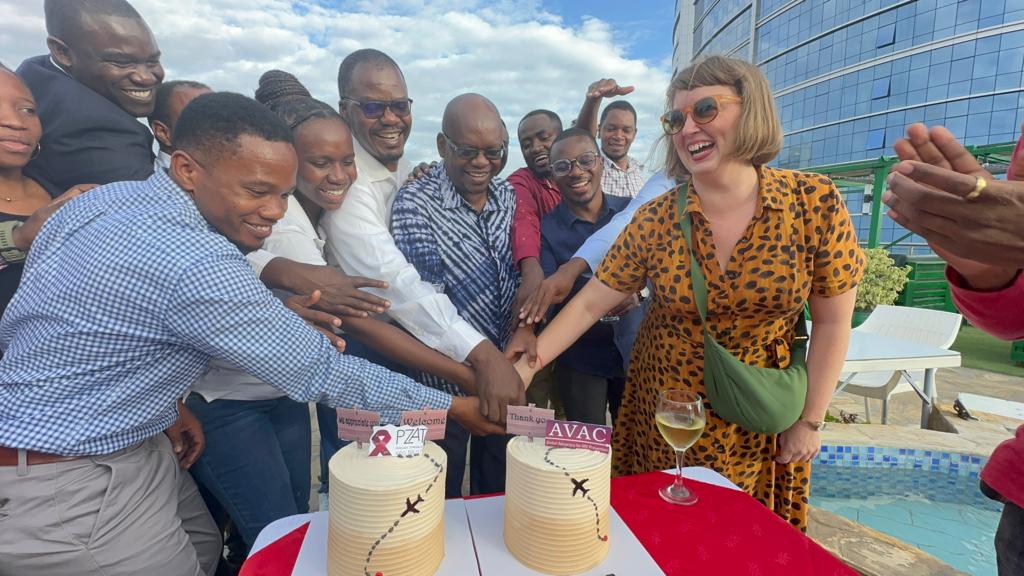
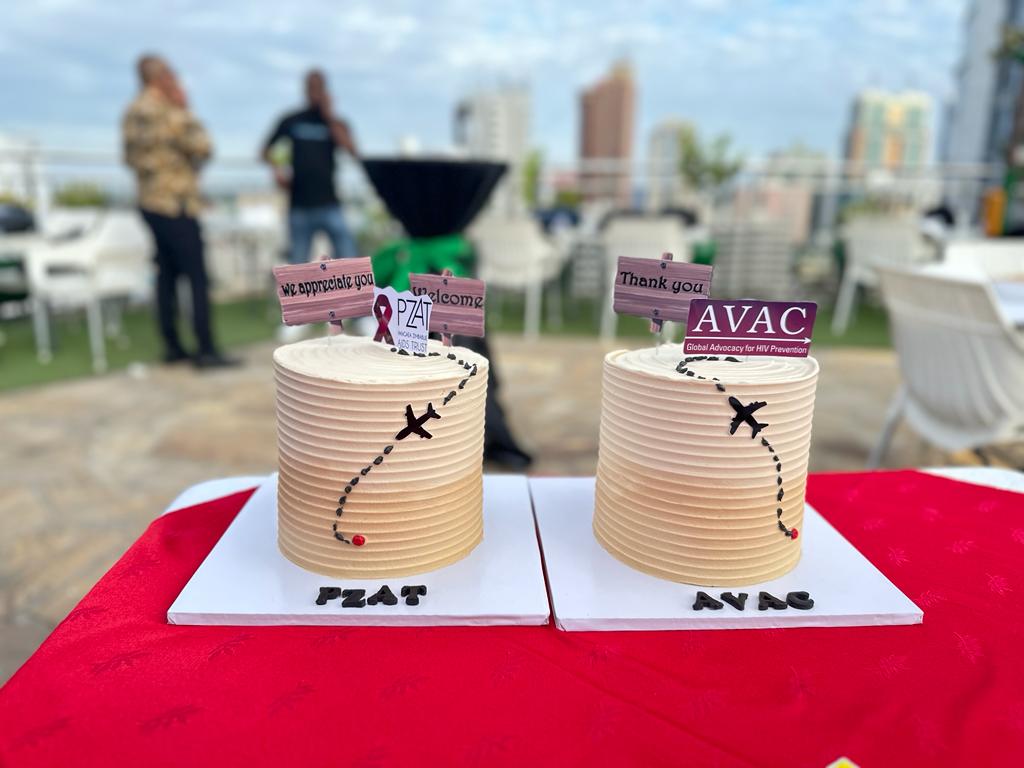
The coalition had been incubated and supported by AVAC, but as COMPASS matured, there was an increasing recognition that its future should involve stronger African leadership, while retaining the value of collaboration, shared expertise and collective decision-making across the coalition.
The conversation was therefore not only about programme effectiveness. It was also about how COMPASS could create a more balanced and collaborative model for leadership, participation and ownership:
Leadership and coordination: Strengthening African leadership within the coalition while maintaining the collaborative relationships and collective approaches that had helped COMPASS grow.
Shared decision-making: Creating greater space for country partners to shape priorities, strategies and decisions, with knowledge and experience from across the coalition informing the direction of the work.
Shared responsibility for resources: Building the systems and capacity for African institutions to increasingly take on responsibility for managing resources, while maintaining strong accountability and collective stewardship.
Technical assistance and expertise: Moving towards approaches that valued expertise as something to be shared across the coalition, with technical support strengthening local capacity and responding to country-defined needs rather than operating as a one-directional model of support.
Country-led priorities: Strengthening the role of country partners in defining advocacy priorities, ensuring that regional and global engagement remained grounded in national contexts and community realities.
Growing African leadership: Creating the foundations for African partners to take on greater leadership, coordination and institutional responsibility for the coalition, while continuing to work through shared learning, collaboration and collective action.
The Shift Towards African Leadership
COMPASS 2.0 became an important period of reflection, learning and preparation for a more significant transition in the coalition’s leadership model. The growing emphasis on decolonising global health and sharing power aligned with COMPASS’s own journey towards greater African leadership and ownership.
The transition was not conceived simply as a change in where the Secretariat was based. It was part of a broader evolution in how leadership, decision-making, resources, expertise and responsibility could be shared across the coalition, while creating greater space for African institutions and partners to lead.
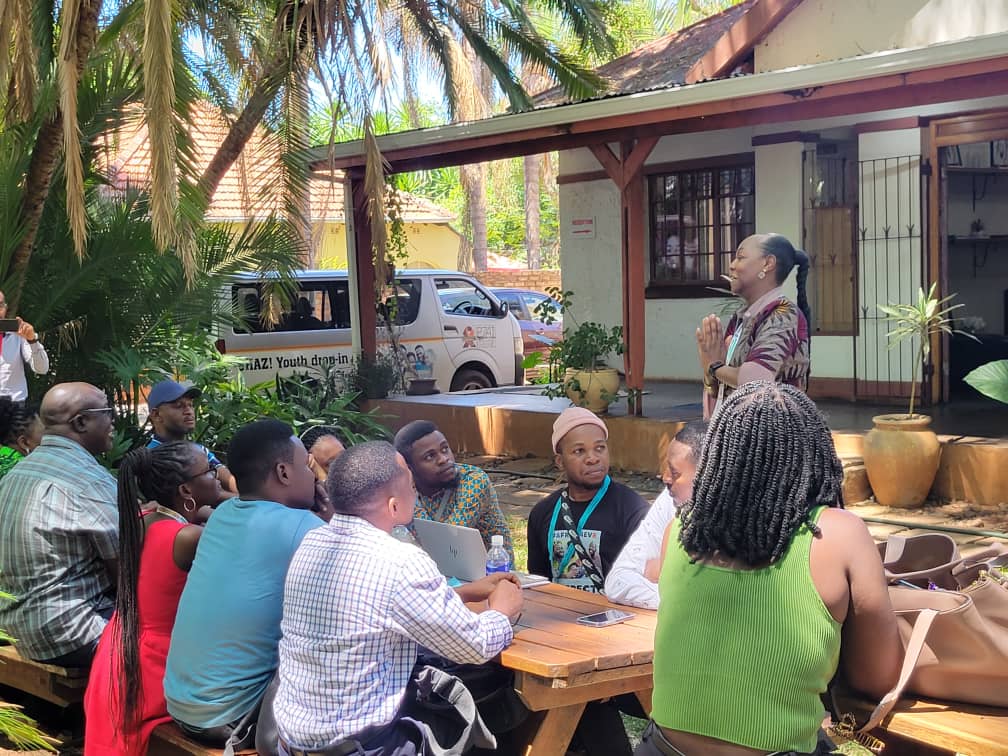
The coalition therefore began preparing for a transition that would move the centre of leadership, grant management and coordination closer to the countries and partners that COMPASS was designed to serve.
Our Partners